


Final Program with Session Summaries
GOSH 2026 Gathering for Open Science Hardware
Kathmandu, Nepal · October 4–6, 2026
Updated after the event: hover over a session, or tap Session summary, to read what the community heard, made, experienced & documented.
Click below to subset session typesStructured SessionParticipant PresentationsUnconference/Workshop/Demo/Community Discussion SessionsBreakSpecial ActivitySocial / Evening
Sunday, October 4, 2026
8:30
9:00
9:00
Registration, Coffee and Tea
Break room
9:00
9:30
9:30
Opening
Plenary room
Welcome, program presentation, logistics & announcementsKarkhana Samuha and Working group
9:30
10:30
10:30
Keynote 1 · Panel
Plenary room
Keynote: Impact of Open Science Hardware: a review of the last decade of community efforts (2016 to 2026), Shannon Dosemagen (GOSH)
Panel: moderated discussion and Q&A with the keynote speakers, GOSH and Fab Foundation Nepal
10:30
11:00
11:00
Coffee/Tea Break/Self-care Time
Break room
11:30
12:00
12:00
Community Member Presentations (hybrid): Local Perspectives
Plenary room + Remote
Sitaram Karki: Beyond the Prototype: Can Open Science Hardware Survive the Last Mile? Zenodo
Dr. Ritu Raj Lamsal: Why Open-Source Hardware Matters in a Developing Country like Nepal Zenodo
Dr. Ritu Raj Lamsal: Why Open-Source Hardware Matters in a Developing Country like Nepal Zenodo
Midday
12:00
1:00
1:00
Group Photograph & Lunch Break
Break room
Afternoon
1:00
3:15
3:15
Unconference Kickoff Activity
Breakaway spaces
3:15
3:30
3:30
Coffee/Tea Break/Self-care Time (light afternoon snack)
Break room
3:30
4:45
4:45
Parallel Sessions: Unconference Session I & Workshop Session I
Breakaway spaces
4:45
5:00
5:00
Day 1 Wrap-up
Plenary room
Evening
6:00
9:00 pm
9:00 pm
Welcome Night & Hang Out
Karkhana
Snacks provided. Space for 40 people. Please sign up here if you are attending
Coming In and Getting Around Kathmandu
Venue
Heritage Garden
Save the pin offline and show it to your driver.
1. International Briefing — visa, arrival, money, transport, stays, weather & safety (click to open)
Before you arrive
Before you fly
- Passport valid for at least 6 months, with a blank visa page.
- Travel insurance covering medical care and your planned activities.
- Save your hotel address, the venue pin and the organizer contact offline.
- Bring crisp USD notes for the visa fee and initial exchange; damaged notes may be refused.
Visa on arrival
Most travelers can use the online application and visa on arrival at Tribhuvan International Airport (TIA). Complete the form within 15 days before arrival, keep the receipt/QR, pay the fee, then go to immigration.
| Stay | Fee |
|---|---|
| 15 days | USD 30 |
| 30 days | USD 50 |
| 90 days | USD 125 |
Indian nationals do not need a visa. SAARC nationals (except Afghanistan) receive a free 30-day tourist visa once per visa year; Chinese nationals are also eligible for a free tourist visa. Confirm eligibility before travel.
Arriving in Kathmandu
Arrival at TIA
- Immigration: have your passport, application receipt and visa fee ready.
- Baggage & customs: declare cash above USD 5,000 (or equivalent) and restricted items.
- Money & SIM: use authorized exchange counters and official mobile-network desks in the arrivals area.
- Onward ride: choose a prepaid airport taxi, or a verified app ride once you have data.
Money & mobile data
Cash first. Nepalese rupees (NPR) are the main way to pay for taxis, small shops and local eateries. Exchange a modest amount at the airport; authorized city exchange counters often offer better rates. ATMs and cards are common in central areas, but not everywhere.
Leaving Nepal: change leftover NPR before departure and keep exchange receipts and any currency declaration.
SIM card: Nepal Telecom (NTC) and Ncell sell tourist SIMs. Bring your passport and a passport photo (staff may take a digital photo). Ask them to activate and test calls and data before you leave the desk.
Airport to your accommodation
Prepaid airport taxi: use the official counter, give your hotel or destination and keep the receipt. The simplest option after a long flight.
App ride: book only once you have data and can identify the vehicle and driver. Pickup points may be outside the busiest curb area.
Cash is primary: carry small NPR notes, confirm the fare before leaving, and do not rely on cards or in-app payment.
Staying and getting around
Where to stay
For easy access to Heritage Garden, look in Sanepa, Jhamsikhel, Kupondole, Pulchowk or Patan. Thamel has the widest tourist services but usually means a longer commute.
| Style | Typical nightly range |
|---|---|
| Hostel bed | NPR 900–2,000 · USD 6–13 |
| Budget room | NPR 2,500–5,500 · USD 17–37 |
| Mid-range hotel | NPR 6,000–13,500 · USD 40–90 |
| Upscale hotel | from NPR 15,000 · USD 100+ |
Indicative ranges only; taxes, breakfast and festival demand can change rates.
Ride apps
Moving around safely
Vehicles drive on the left. Traffic can be slow and unpredictable: allow 45–60 minutes for short cross-city trips at peak times, and walk on the side with the safest available space.
- Download an offline map of Kathmandu Valley.
- Share your live trip details when traveling alone at night.
- Wear a helmet on two-wheel rides and avoid carrying loose bags.
- Ask your hotel or the organizers to write destinations in Nepali when helpful.
Accessibility & access needs
Heritage Garden is accessible in line with national accessibility standards in Nepal. For step-free arrival planning, accessible transport or other access needs, contact the organizers in advance at +977 9823898989.
Weather, wellbeing & help
Early October weather
15–27°C · 59–81°F
Mild, with warm afternoons and cooler mornings. Kathmandu Valley is about 1,400 m / 4,600 ft above sea level. Pack light layers, a breathable rain shell, sun protection and shoes with good grip; an occasional shower is still possible after the monsoon.
Health & comfort
- Drink sealed bottled or properly filtered water.
- Choose freshly cooked food; carry personal medicines in their original packaging.
- Air quality and dust vary; a well-fitting mask may be useful.
- Use mosquito repellent, especially in the evening.
- Travel insurance should include medical treatment and evacuation.
Useful basics
Time: Nepal Standard Time, UTC +5:45; no daylight saving.
Electricity: 230 V, 50 Hz. Common sockets: C, D and M. Bring a universal adapter.
Language: Nepali is official; English is widely used in hotels and tourism services.
Travel update
Recent flooding affected areas north of Kathmandu, including Rasuwa, Nuwakot and Dhading, and access toward Langtang and Gosaikunda is restricted. Kathmandu Valley is operating normally and GOSH arrangements are unchanged. Check current road and trail conditions before any side trip.
Extending your stay? Plan for Dashain
Dashain begins on 11 October, with Tika on 21 October. Domestic flights and long-distance buses fill quickly, hotel rates can rise, and many offices, banks and shops reduce hours around the main holidays. Book onward travel early.
Save these numbers
1144
Tourist Police
100
Police
103
Traffic Police
102
Ambulance
101
Fire
On an international SIM, ask a local person, your hotel or an organizer for help if a short code does not connect.
Stay safe
- Keep passport copies separate from the original.
- Use registered taxis or verified app rides.
- Protect valuables in crowded areas and avoid isolated streets late at night.
- Follow organizer and local-authority advice on weather or transport changes.
GOSH 2026 organizer
gosh@karkhanasamuha.org.np
+977 9823898989
+977 9823898989
Remember: keep cash as your main payment method, save the venue pin offline, and contact us early about access needs.
From the GOSH 2026 Nepal Travel Brief, version 3, updated 9 September 2026.
Organizers You Can Find at the Event
Many more people have been involved in making GOSH 2026 happen. They will be honored at the event opening.
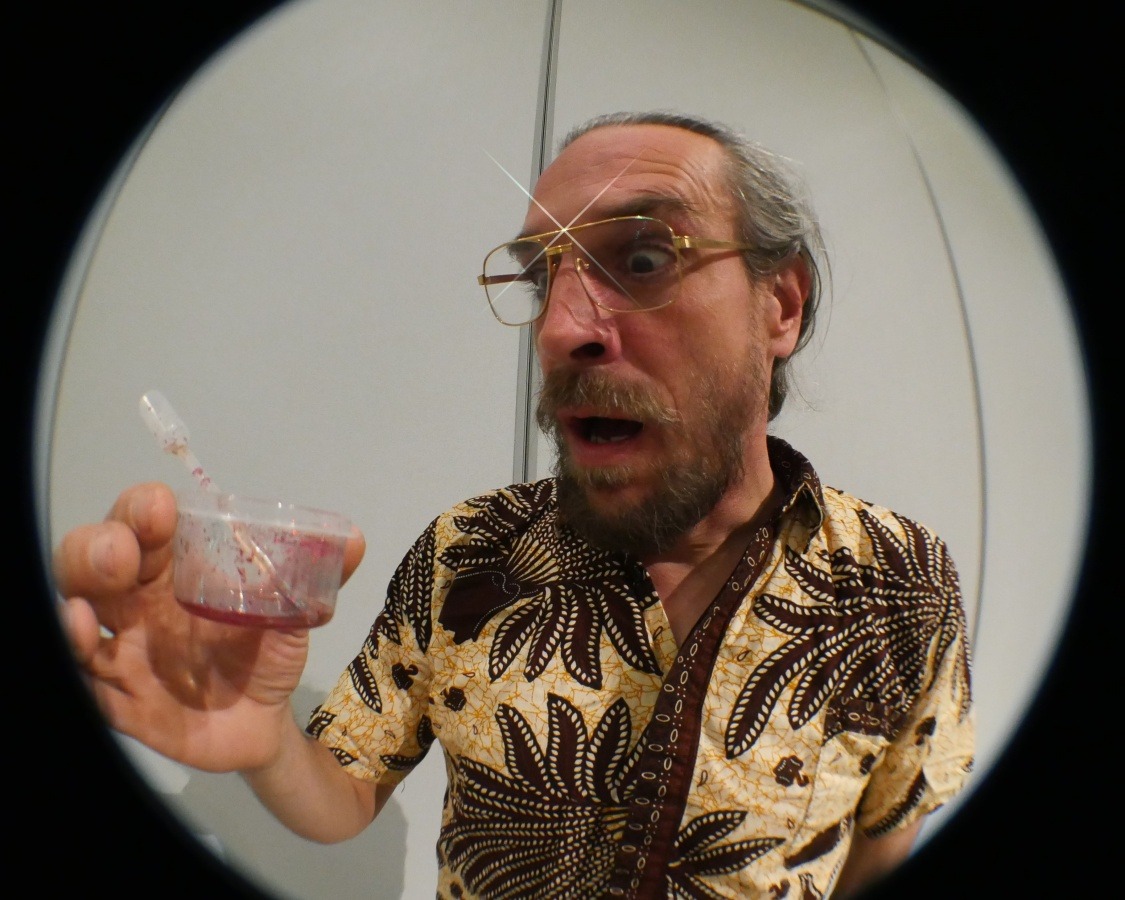
Marc Dusseiller
Workshops, programming, fundraising and logistics
Marc Dusseiller aka dusjagr is a nomadic researcher and workshopologist, part of the Center for Alternative Coconut Research and co-founder of SGMK, Bitwäscherei Hackerspace Collective and the Hackteria network. After starting out in DIY electronics, designing circuit boards for synthesizers, he now travels the world building DIY / DIWO labs for creative biological experimentation.
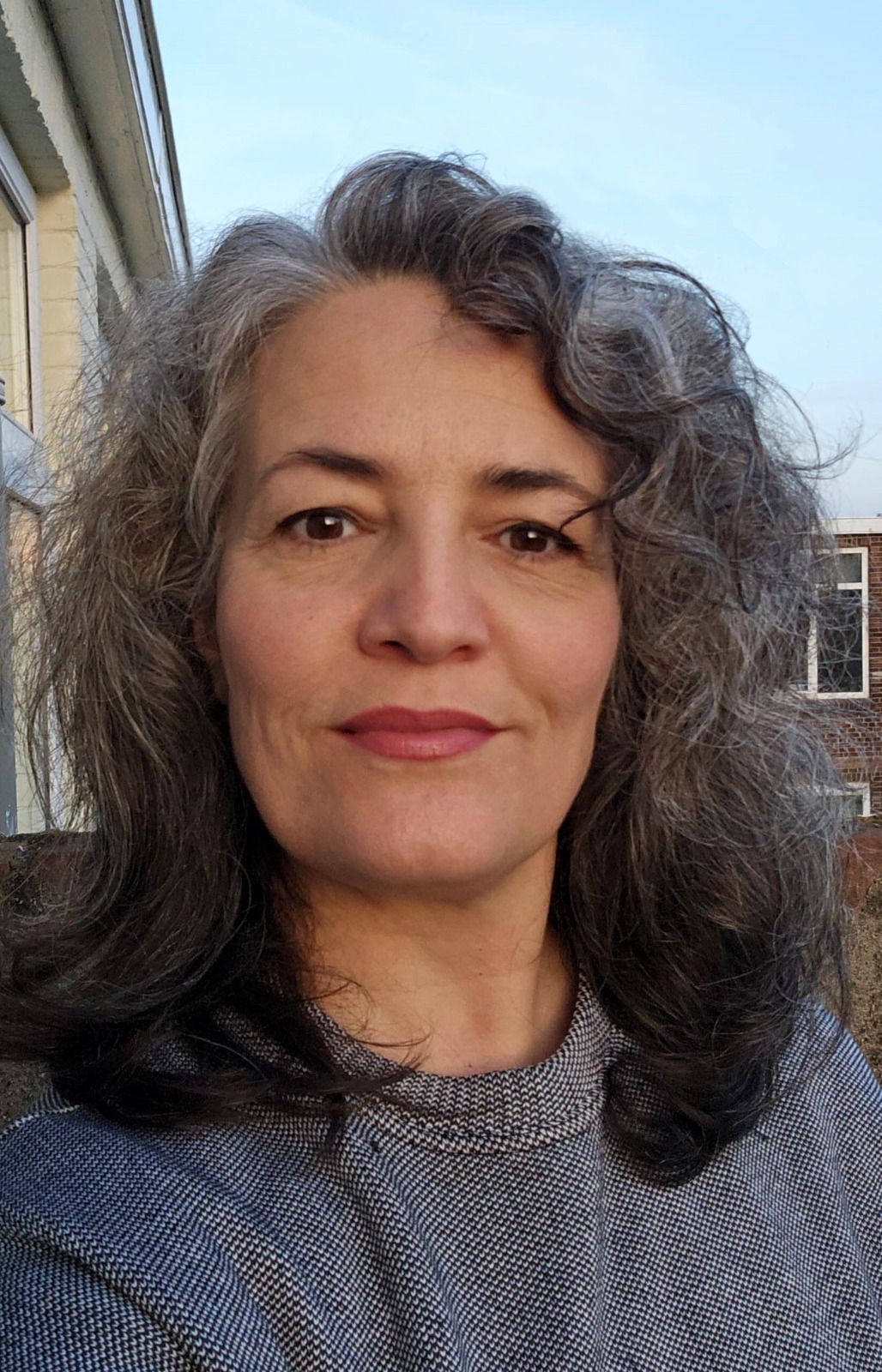
Laura Olalde
Programming, abstract-related processes, community member presentations, communication and logistics
Laura Olalde is an independent, interdisciplinary artist, as well as an educator and communicator of practices at the intersection of art and science. Since 2017, she has been an active member of the Gathering for Open Science Hardware (GOSH) community.
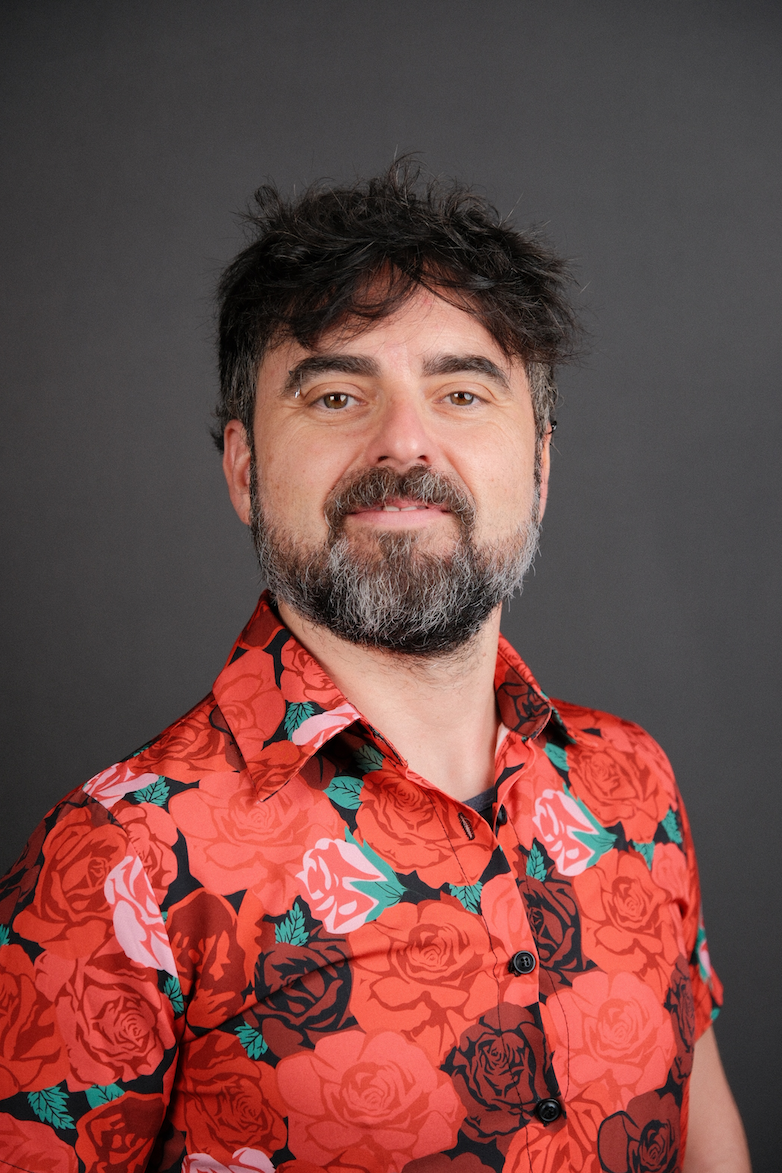
Juan P. Maestre
Programming, abstract-related processes, community member presentations, web program and logistics
Juan P. Maestre is a Research Scientist at The University of Texas at Austin, where he has helped develop open science hardware (OScH) air quality monitors and promote their use in cohort studies. An active member of the GOSH community since 2017, he co-organized GOSH 2022 in Panama.

Ebuka Ezeike
Fundraising, programming and logistics
Ebuka Ezeike is a Nigerian physicist, educator and digital skills trainer, and founder of TechSpot Digital. He works in science communication, podcast and video editing, and project management with AfricArXiv and TCC Africa. Active in GOSH since 2022, he organized an Open Science Hardware workshop in Abuja in 2023 and, as a 2026–2027 GOSH Ambassador, plans a hands-on workshop at Kaduna State University.

Maria Frangos
Working group support
Maria is a designer and researcher based in Canada’s National Capital Region. She has led design teams in the private sector and has been a GOSH member since 2017. She was part of Breathing Games, an open-source project promoting respiratory health, and in 2027 plans to begin an interdisciplinary PhD at Concordia University using open-source EEG for biofeedback.

Jamaica Jones (not on-site)
Working group admin and logistics support
Jamaica Jones is GOSH’s Community Coordinator, working on the “people” side of open science, open source, and open hardware. She holds a PhD in Information Science and works across research, development, and open-source communities to advance people-centered policy and participatory governance.
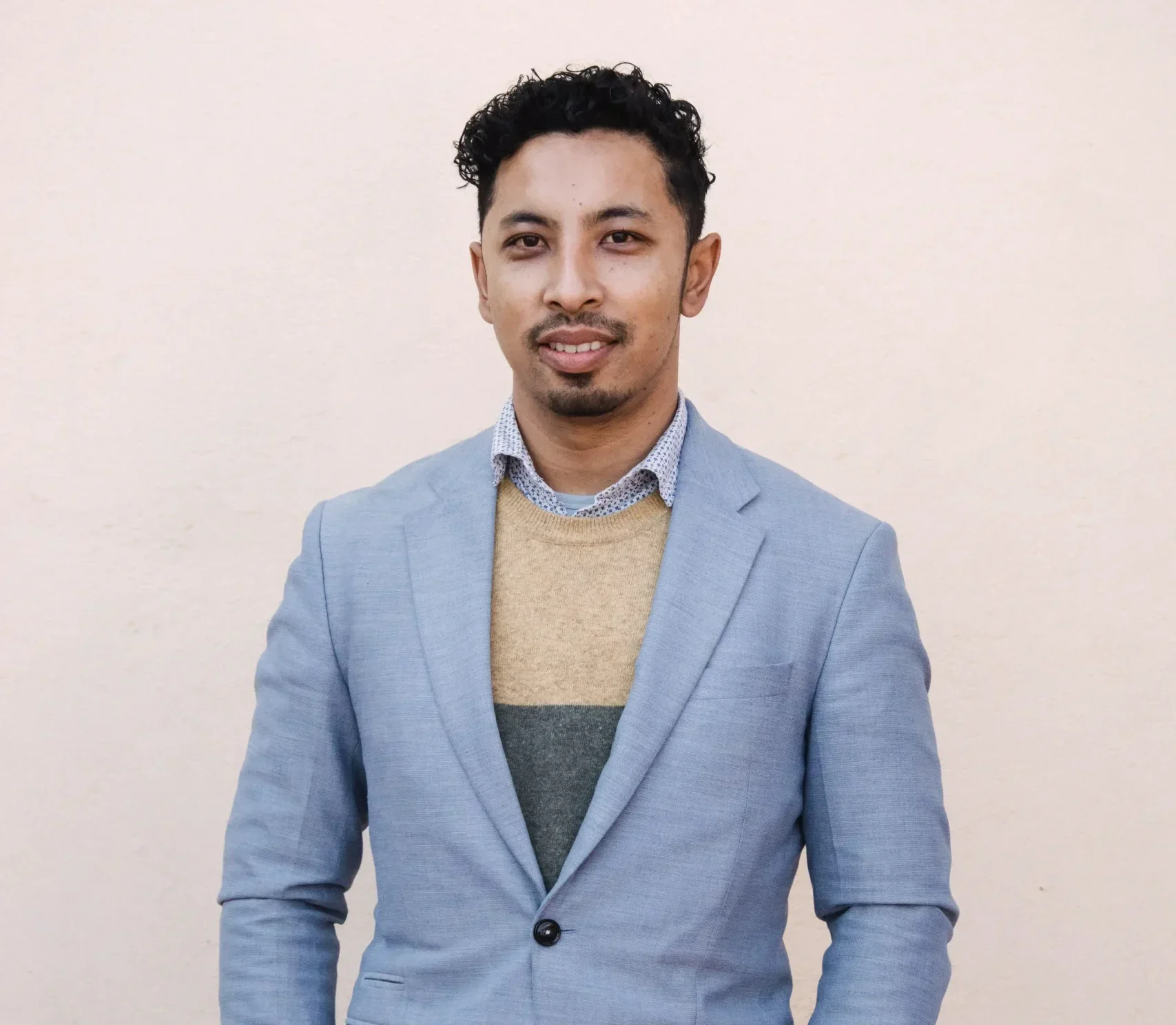
Sachet Manandhar
Local logistics, local organization and programming
Sachet is a co-founder of the Karkhana network and Executive Director of Karkhana Samuha, its non-profit arm. He was previously CFO of the network’s social business from its inception. An engineer trained at Kathmandu University, he champions youth-led change in entrepreneurship, education and climate, and is a member of the Global Shapers Alumni Community.
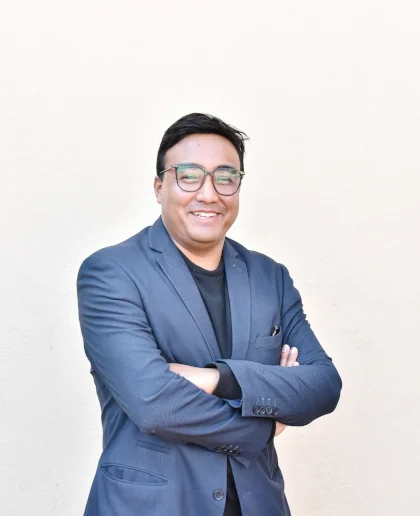
Vibhaas Basukala
Local logistics, local organization and programming
Vibhaas is President of Karkhana Samuha and CEO of Prime College and Prime Educational Inc., where he works to widen access to quality, inclusive education. He holds a Juris Doctor from Vanderbilt University, serves as Treasurer of Karuna Foundation Nepal, and previously contributed to equity and sustainability initiatives at the United Nations in New York.
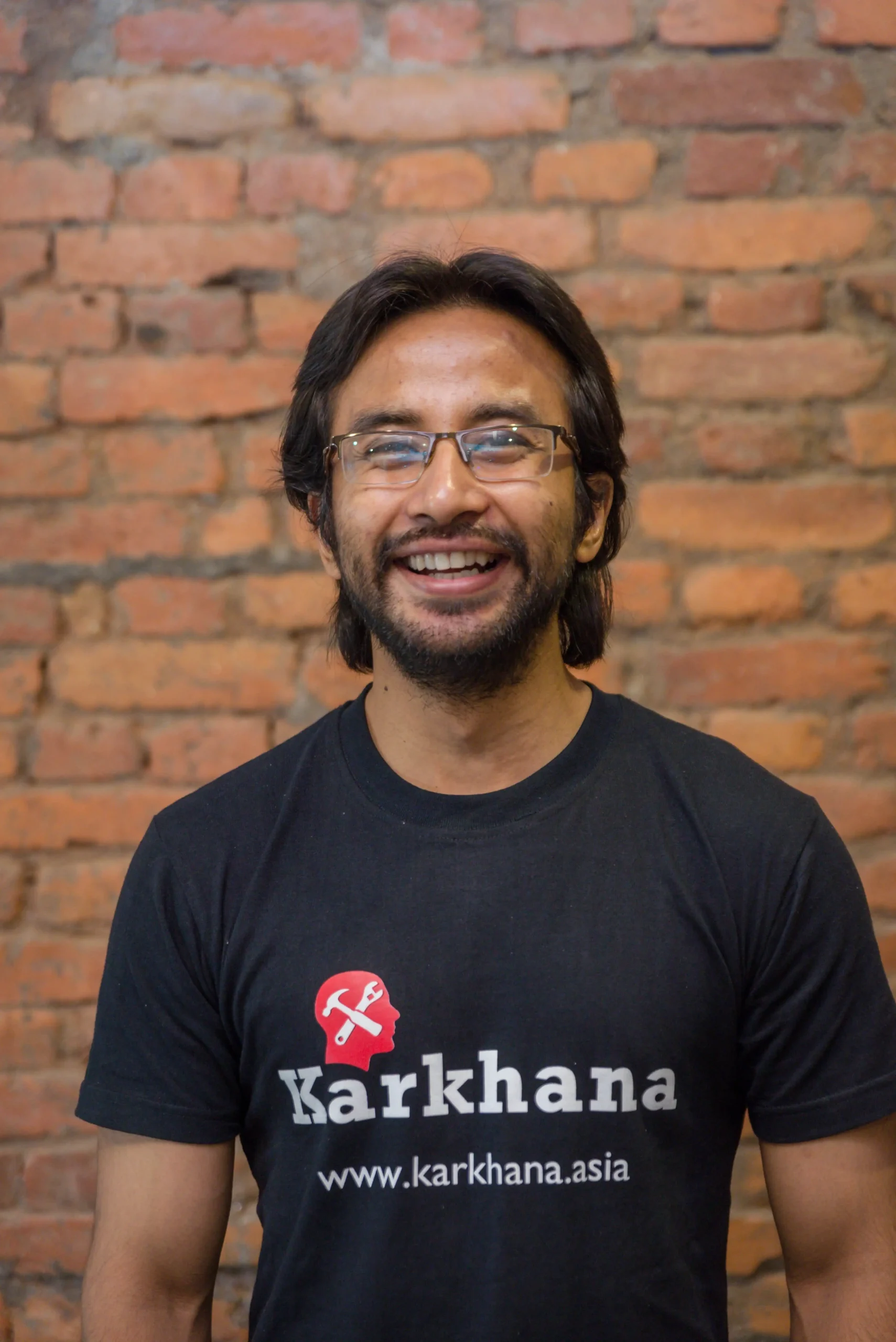
Dipeshwor Man Shrestha
Local programming and local community outreach
Dipesh co-founded Karkhana, a Kathmandu based social enterprise that designs learning experiences for school children. He recently completed his PhD in STEM Education from Tufts University, where he studied how teachers engage with new pedagogical approaches rooted in play, storytelling, making, and engineering, through sustained participation in professional learning communities (PLCs).
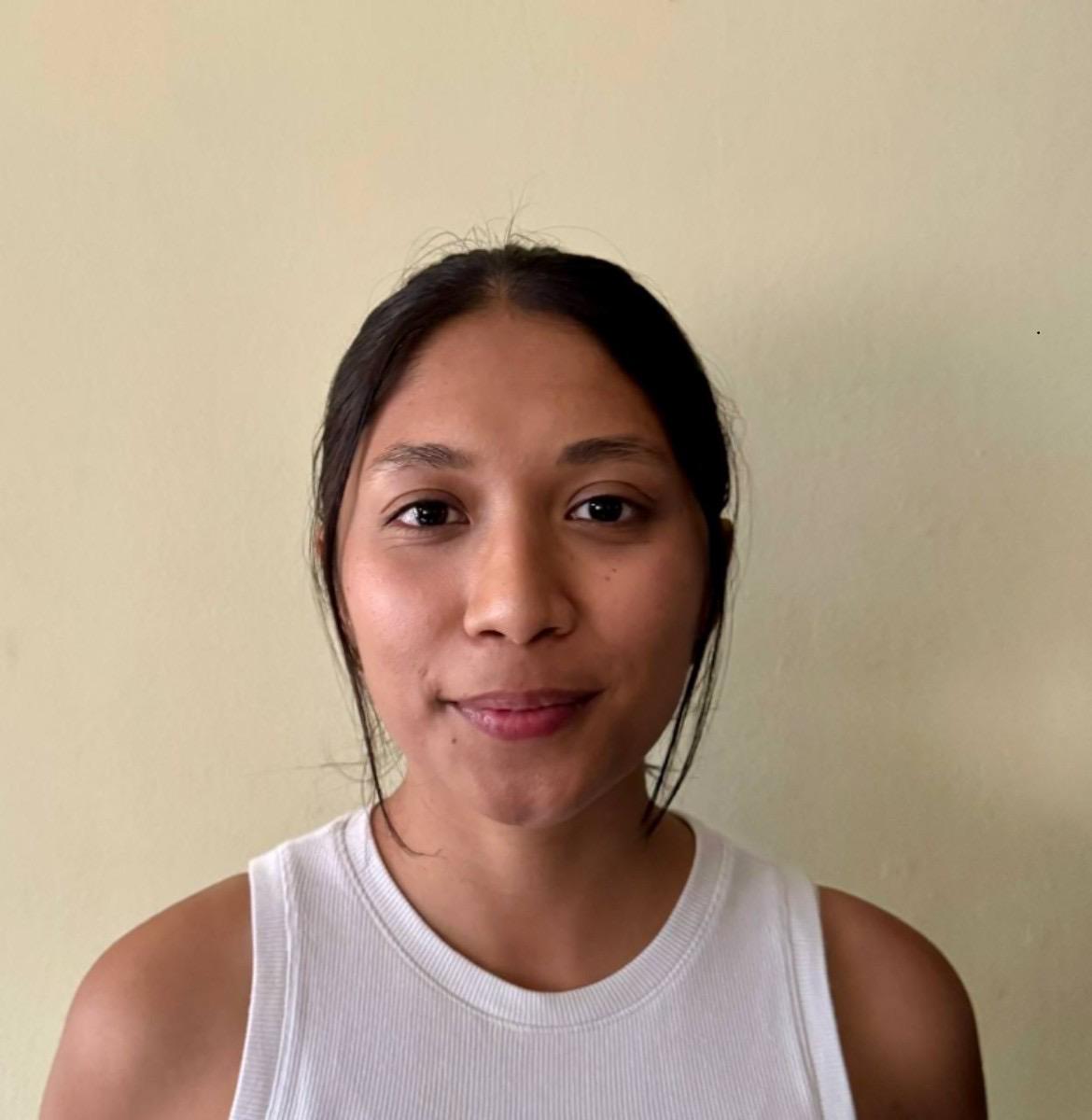
Irisa Shrestha
Local coordinator
Irisa Shrestha holds a Bachelor’s degree in Computer Science and a Master’s degree in Information Technology, with a focus on Data Analytics. She is passionate about leveraging data to uncover meaningful insights, support data-driven decision-making, and develop effective marketing strategies.
This is the final program of GOSH 2026, updated after the event with session summaries compiled from the community’s notes. Have something to add or correct? Start a thread on the GOSH 2026 forum.